
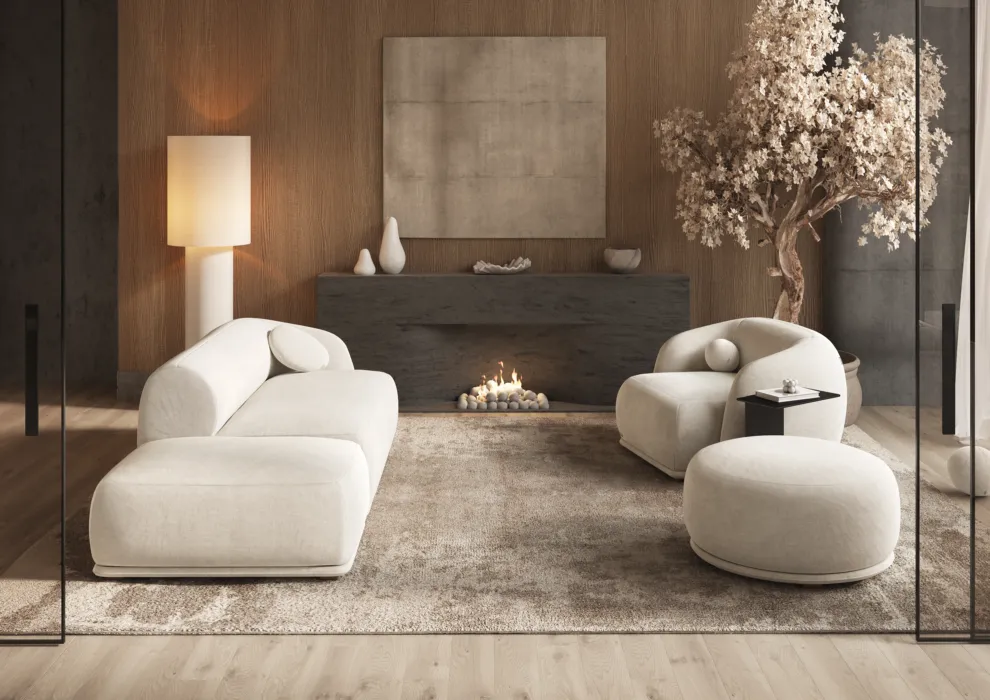
The art of the early 20th century is filled with the search for new forms and meanings that reflect the changing eras. Two terms that sound similar — “Art Nouveau” (Modern) and “Modernism” — are vivid examples of these changes, although they represent different styles with distinct features.
History of Origin
Art Nouveau (Modern) is an artistic style that appeared at the end of the 19th century as a protest against eclecticism and mechanization. It found its greatest development in decorative arts, architecture, and design. Art Nouveau sought to create a new aesthetic where nature’s forms were integrated into everyday objects — with refined lines, ornaments, and a richness of decor.
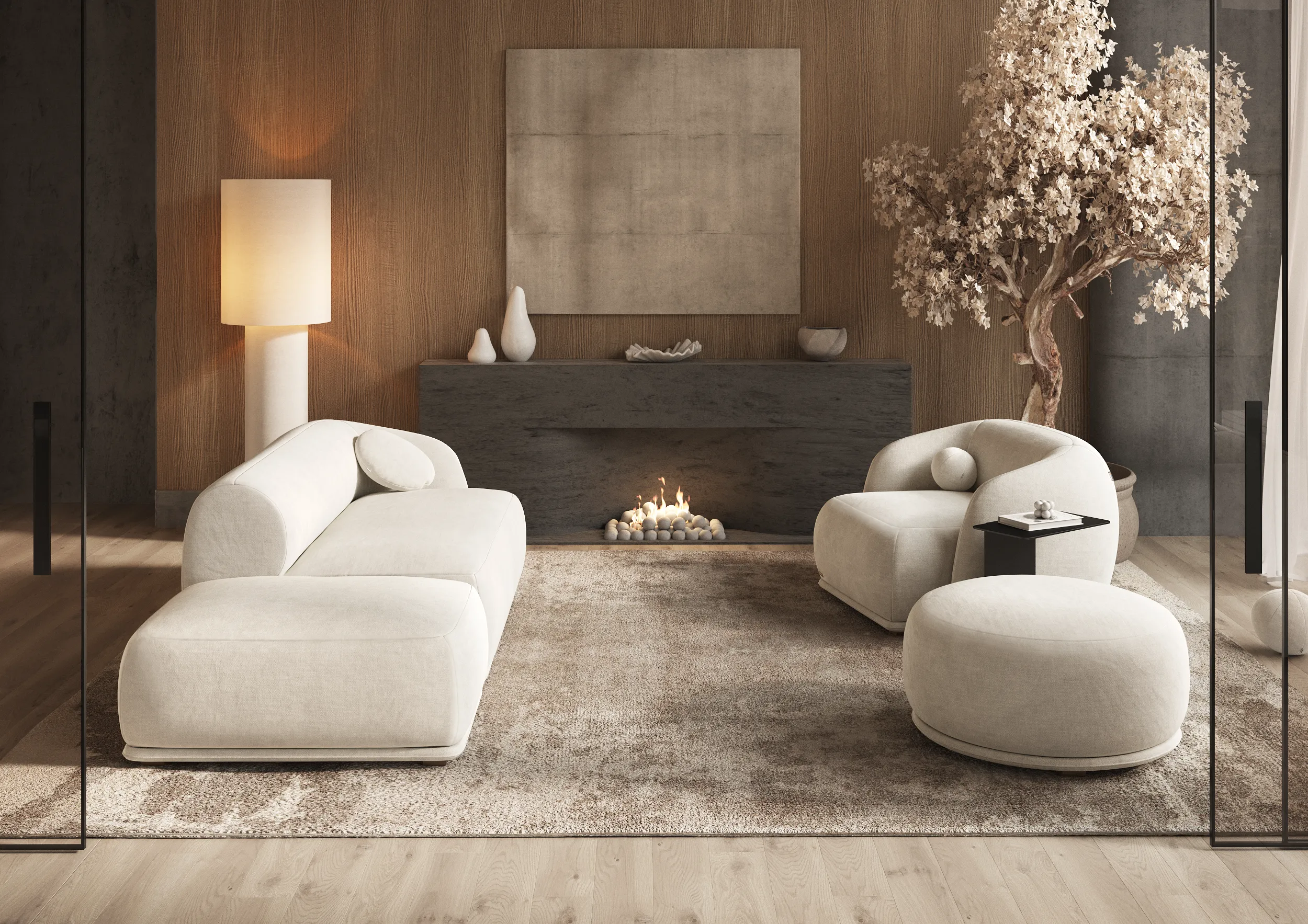
Modernism emerged slightly later, in the 1910s-1920s, and saw wide development during the interwar period. This movement became a response to World War I, the industrial revolution, and social changes. Modernism focused on minimalism, simple forms, and functionality, criticizing excessive decor and striving for innovative, rational solutions.
Common Features
Both styles arose as a reaction to previous directions and social conditions, sharing certain similarities:
- Rebellion against tradition. Both Art Nouveau and Modernism represent a departure from classical forms, eclecticism, and the representation of previous eras.
- Focus on new forms. Both styles sought to create a new art that embodied contemporary views and reality.
- Use of modern technologies. Both Art Nouveau and Modernism utilized the latest materials of their time: glass, metal, and concrete, which allowed for expanded artistic possibilities and functional objects.
Distinctive Features
- Form and Decor
- Art Nouveau: Characterized by complex ornaments, flowing and natural lines, and stylized floral and animal motifs. In architecture, it often used stained glass, wrought iron elements, and curved forms.
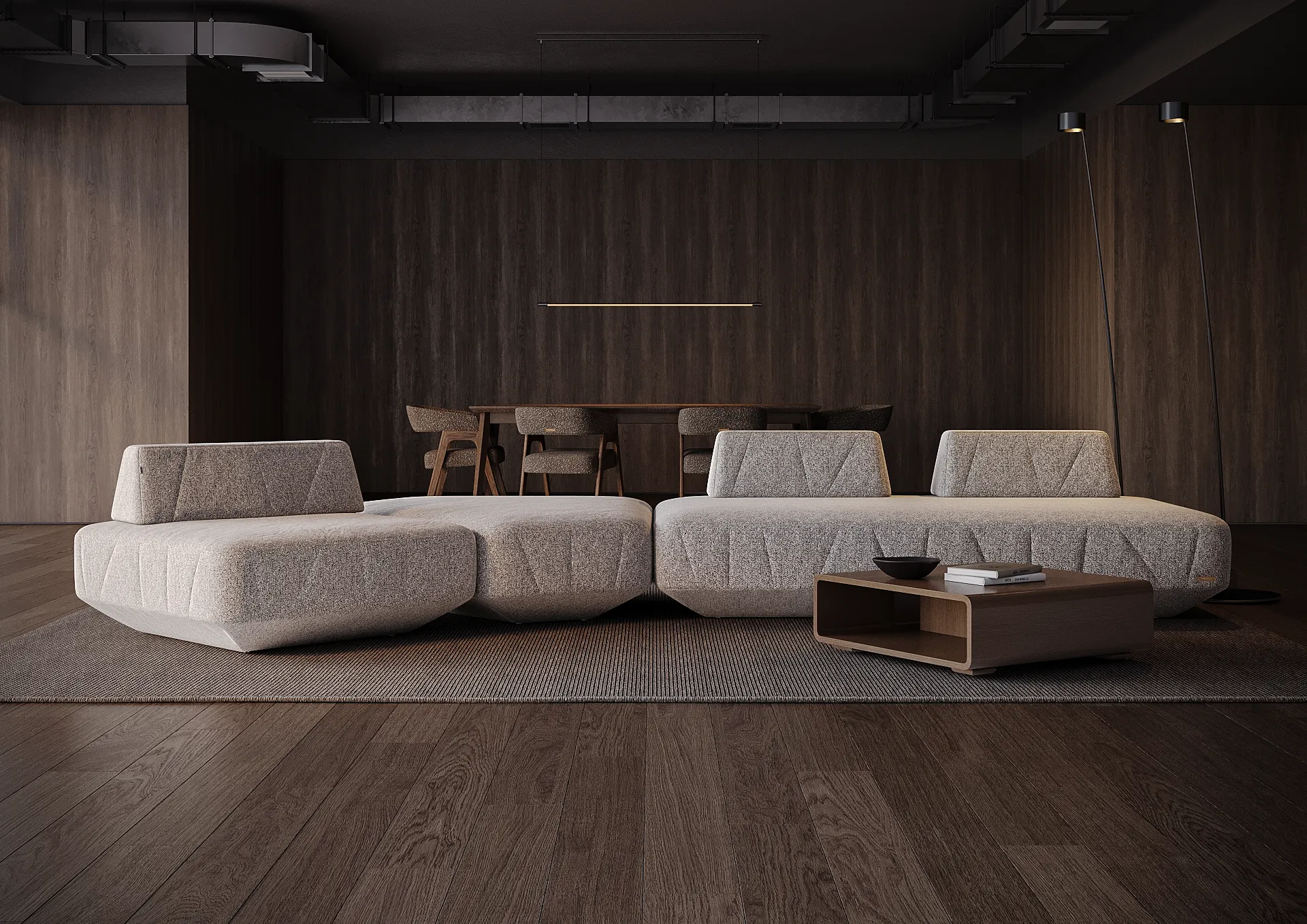
- Modernism: A minimalist style that strives for the absence of any decor. Modernist architecture leans toward functional forms with clean lines and simple geometric structures. The primary materials are concrete, glass, and metal, with a typically restrained color palette.
- Ideology
- Art Nouveau: Focuses on beauty and harmony with nature. It looks for inspiration in the natural world and tries to emphasize the uniqueness of each object, seeing the world as something beautiful that can be improved through art.
- Modernism: The core values are rationality, innovation, and functionality. Modernism strives for convenience, simplicity, and universality. The main slogan of modernism is “form follows function,” emphasizing the necessity of practicality.
Relevance Today
Today, both styles remain popular and influential, but their application occurs in different contexts:
- Art Nouveau: Returning to fashion as an element of interior design where modern materials are combined with elegant ornaments and textures reminiscent of Art Nouveau elements. It also attracts with its aesthetic and ecological focus — natural materials and organic forms.
- Modernism: Remains the foundation for contemporary design and architecture, oriented toward simplicity, rationality, and functionality. Modern designers actively use modernist ideas to create eco-efficient and functional structures, applying its principles to the minimalist style.
Art Nouveau and Modernism, though close in their time of origin, are completely different in ideology and stylistic approaches. Art Nouveau is an elegant, detailed style that prioritizes aesthetic pleasure and harmony with nature, while Modernism, conversely, strives for simplicity, practicality, and functionality in accordance with the technocratic 20th century. Both styles continue to inspire today, maintaining their significance in both architecture and interior design, demonstrating the immortality of great ideas embodied in form.